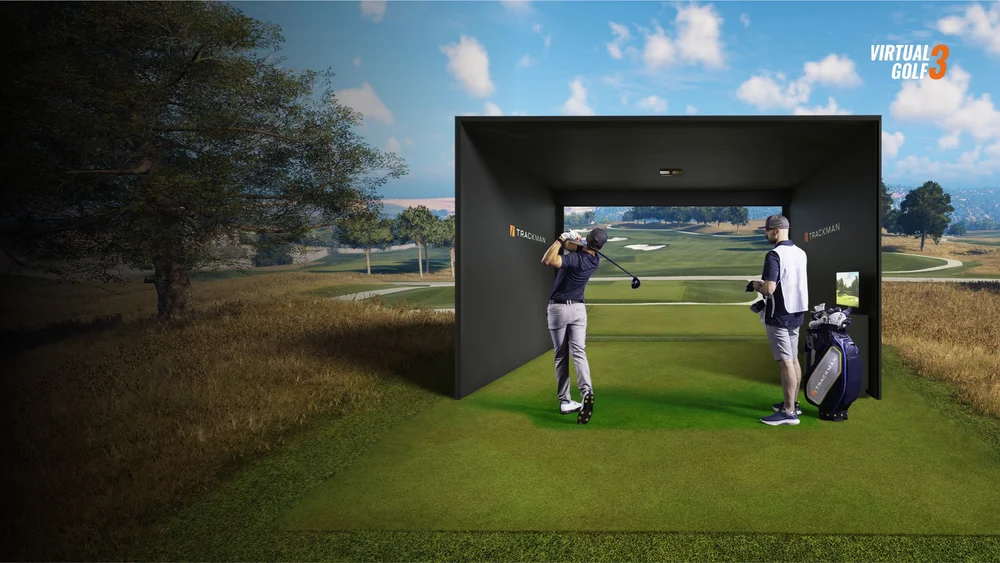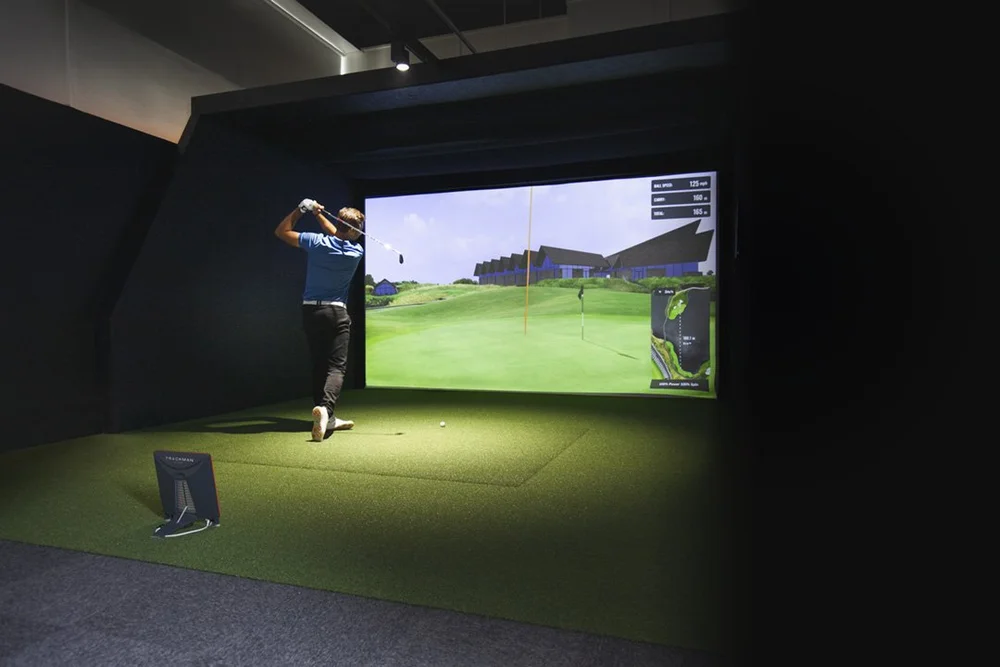
Indoor Golf Explained · Trackman media library. Illustrative simulator outside Birdies.
Two drives can feel equally fast and finish in very different places. Before changing your swing, find out if you’re striking the same part of the clubface.
The quick answer
Impact height tracks the strike’s vertical position relative to face center. Impact offset tracks the horizontal position. Read them together to see whether contact tends toward the heel or toe, and high or low on the face.
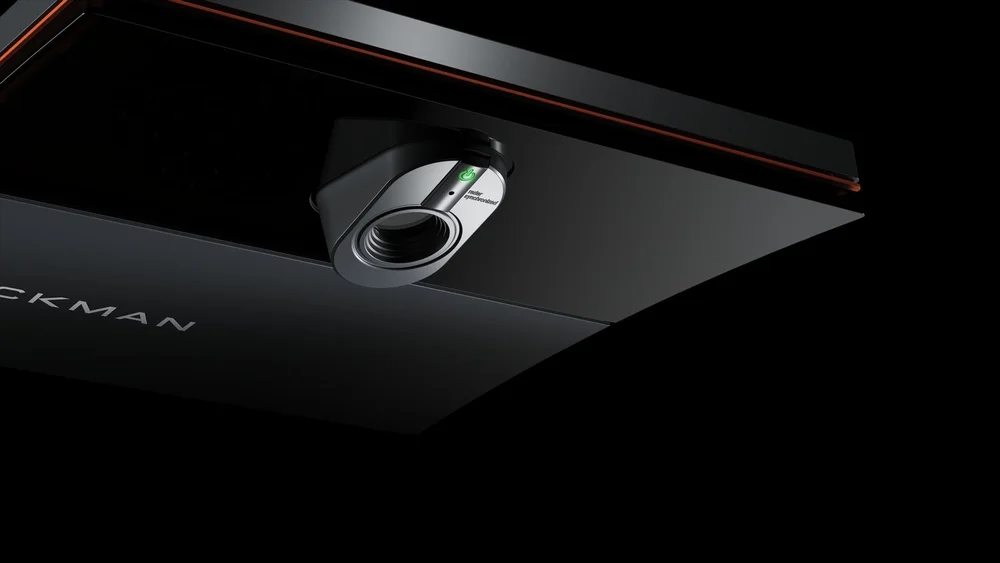
Map your usual strike
With the same driver, ball type and tee height, hit a small group of shots at a comfortable speed. If impact data are available, note the strike position and ball speed for each. Look for the cluster before judging one unusually good or bad result.
Change just one variable
If the pattern is consistently high or low, try a small tee-height adjustment. If heel or toe contact dominates, note your setup and consult a coach if you’re unsure what to change. Keep your target and effort similar, then check whether the cluster moves and the flight becomes more playable.
What the strike map can tell you
Strike location gives you another way to interpret changes in ball speed, launch and curve. Check the face and path readings too. The impact point alone does not explain every miss. See Trackman’s impact height and offset definitions.
Keep practicing
Read how strike affects ball speed or Why Your Driver’s Loft Changes at Impact. Want to try it indoors in West Sacramento? Explore Birdies golf bays and check availability. Confirm any specific software feature or metric with the team before booking for it.
TRACKMAN® and the Tracer Logo are registered trademarks of Trackman A/S.