Indoor Golf Explained · Trackman media library. Illustrative virtual-course scene.
You hit another drive with the same club. This one flies higher. Before changing your tee height, check whether you delivered the club differently and where the ball hit the face.
The quick answer
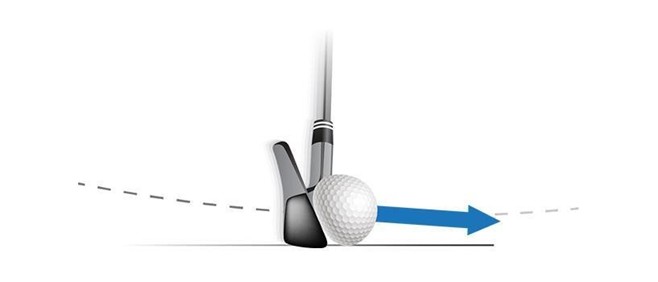
Attack angle describes whether the clubhead is moving up or down at impact. A positive number means the club is moving up. A negative number means it is moving down. The number describes the clubhead’s motion. Launch angle describes the ball’s initial flight.
Read attack angle with three other numbers
- Launch angle tells you how high the ball started.
- Spin rate adds context when two drives launch similarly but behave differently.
- Ball speed helps flag changes in the quality of the strike. Check face contact before assigning the difference to attack angle.
Try a controlled comparison
- Pick one driver, ball type, target and tee height. Hit five drives at a comfortable speed.
- Note attack angle, launch, spin, ball speed and your usual miss. Keep the mishits in the record.
- Try one small setup change and hit five more. Compare the typical flight and where the group of shots finished.

Is a positive number always better?
There’s no single number every golfer should chase. Compare your actual flight and pattern, especially if a setup change costs you centered contact or control. Read Trackman’s attack-angle definition.
Keep practicing
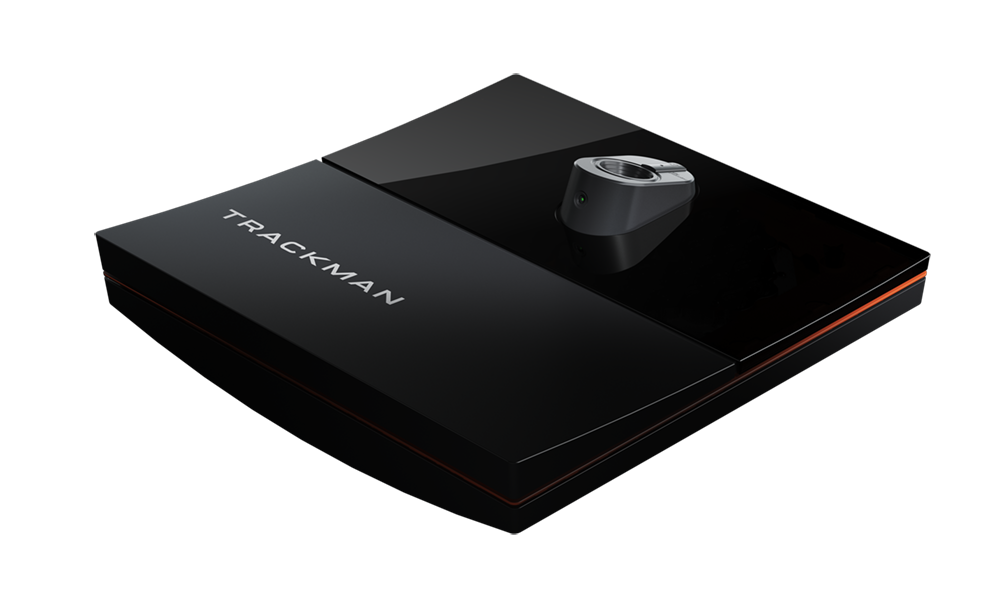
Read Why Your Driver’s Loft Changes at Impact or how Trackman works. Want to try it indoors in West Sacramento? Explore Birdies golf bays and check availability. Confirm any specific software feature or metric with the team before booking for it.
TRACKMAN® and the Tracer Logo are registered trademarks of Trackman A/S.